Friday, 28 July 2017

MODULE 7

MODULE 7 : ACADEMIC INTEGRITY and PERFORMANCE

What is plagiarism?
the practice of taking someone else's work or ideas and passing them off as one's own.
synonyms:copying, infringement of copyright, piracytheft, stealing;
informalcribbing
"accusations of plagiarism"

How to prevent from doing plagiarism?
Thera are 2 kinds to avoid from plagiarism. Example:
  • PARAPHRASING

express the meaning of (the writer or speaker or something written or spoken) using different words, especially to achieve greater clarity.
"you can either quote or paraphrase literary texts"
synonyms:rewordrephrase, put/express in other words, rewritegloss
"the reporter was not quoting directly but paraphrasing her remarks"

  • HOW TO PARAPHRASE

Image result for how to paraphrase


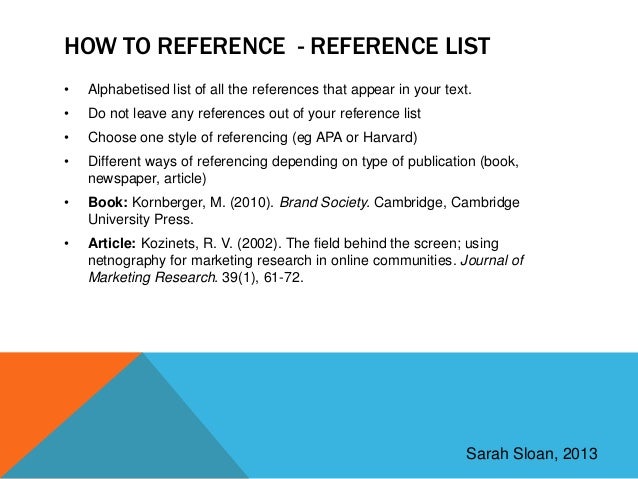
  • REFERENCING

provide (a book or article) with citations of authorities.

  • How to referencing?

Image result for how to referencing

HOW TO CALCULATE GPA ?
( credit hour  x  pointer  =  total / total credit hour )
HOW TO CALCULATE CGPA ?
( total part 1 + total part 2 ) / ( total credit part 1 + total credit part 2 )

Related image


Course CodeGradeCredit HourPoint
ELC 120B515.00
ACC 106C36.00
MAT 114A312.00
CTU 120A28.00
HBU 111A14.00
MGT 162B38.00
ECO 122C36.00

Part 1 : GPA = 2.95

Course CodeGradeCredit HourPoint
ELC 150B+413.32
ACC 166B-410.68
QMT 181A312.00
MAT 187A312.00
HBU 121A13.67
CTU 151A-27.34
CSC 134D44.00
ECO 162C36.00

Part 2 : GPA = 2.88
CGPA = ( 69.01 + 59 ) / ( 20 + 24 ) = 2.91

MODULE 6

MODULE 6: TAKING LECTURER NOTES


How do we take notes?
The key thing is to ensure that you remain actively engaged with the material whilst note-taking. If all you do is copy down what you hear or read, then you won't actually be learning anything at all. You may not even understand your notes when you come back to review them later!
Why do we take notes?
Taking notes is an important part of the life of every student. There are two main reasons why note-taking is important:
  1. When you are reading or listening, taking notes helps you concentrate. In order to take notes - to write something sensible - you must understand the text. As listening and reading are interactive tasks, taking notes help you make sense of the text. Taking notes does not mean writing down every word you hear; you need to actively decide what is important and how is related to what you have already written.
  2. Notes help you to maintain a permanent record of what you have read or listened to. This is useful when revising in the future for examinations or other reasons.

Review notes


98b8c7f6d71874e596bd7569bcb81fde--notetaking-tips-note-taking.jpg

images

Reviewing notes is also one thing that important because we could lose 80% of what we hear if it is not reviewed within few hours. Furthermore, we don’t have much time to remember and absorb all the information if it’s not reviewed on a regular basis.

MODULE 5

MODULE 5 : MEMORY, IMPROVING CONCENTRATION & READING SYSTEM


This picture shown that the percentage of learning method.

f7c04844df5d4f593b1cdc5d771c725d--learning-pyramid-educational-leadership.jpg

The picture shows that the differences between male and female brain:

9c90060aa28e6b56b80aeee903ed47b5--female-male-men-vs-women

The picture shows that the differences between left and right brain:

left-brain-right-brain.png

MODULE 4

MODULE 4 : Time Management And Organizational Skills

What is time?
Time is a component quantity of various measurements used to sequence events, to compare the duration of events or the intervals between them, and to quantify rates of change of quantities in material reality or in the conscious experience.

Time management?
Time management is the process of planning and exercising conscious control over the amount of time spent on specific activities - especially to increase effectiveness, efficiency or productivity.

Organizational skill?
Along with communication and computer skills, organizational skills is one of the most important transferable job skills a worker can possess. Companies need workers who can stay organized and focus on the projects at hand. However, company managers must also organize the work of their employees.

download

MODULE 3

MODULE 3 : Notes On Library Tour


TYPES OF RESOURCE


Academics                                                            

-Al-bukhari library 1 & 2
-Academics affairs division (HEA)
-IT rooms

STUDENTS ORGANIZATION
- Lesson affairs division (HEP)
- Sri Gading Camp
- Mini stadium

  Housing,Dining, and Transportation

-Tok gajah college food court
-Tun fatimah college food court
-Bus station
                   Al-Bukhari Library 1&2 Operation Hour
DayNormal dayExamination Week
Monday - Friday8.30a.m. - 6.30p.m.8.30a.m. - 10.50p.m.
Saturday9.30a.m. – 6.30p.m.9.30a.m – 6.30p.m.
SundayClosed9.30a.m. – 6.30p.m.

MODULE 2

MODULE 2 : Goal Setting


Goal Statement - The 5 Step Approach


Step 1 : Tentative Goal Statement :
I want to get dean in every semester and to make my parent proud of my result

Step 2 : List of Obstacles :
 1. I am easily get distracted with something else in class
2. Note that i write from lecturer isn't complete
3. I can't really remember something that we have just studied
 4. I spend my time doing something that unbenificial things like watching youtube

 Step 3 : List of Resources :
1. I will pay more attention in classes and ignore the surrounding that bother from studying
2. I will make more creative notes or mind map to make it simple to remember our subject that have been studied
3. I will make a group discussion to make me more understand about subject that we studied
4. I will make a schedule to arrange my time doing assignment and my free time

 Step 4 : List my motivation:
 -Study well and smart will aim my goal in education

Step 5 : Revised Goal Statement:
-I will trying to get A for all my subject and achieve my goal to get dean in every semester and also get vice chancellor awards.

MODULE 1

MODULE 1: The Learning Style Inventory


How To Motivate Yourself
  1. Just get started and let the motivation catch up with you. You don’t have to wait for motivation to get started. If you want to work in a consistent way every day then sometimes you just have to get going anyway. And the funny thing is that after I have worked for a while things feel easier and easier and more fun and the motivation catches up with me.
  2. Start very small if big leads you to procrastinating. If a project or task feels too big and daunting don’t let that lead you into procrastination. Instead, break it down into very small steps and then take just one of them to start moving forward. Because the most important thing is to just get going and to build momentum forward.
  3. Get accountability from the people in your life. Tell your friends what you will do on social media, via phone or in real life. Ask one or more of them to regularly check up on you and your progress. By doing this you’ll be a lot less likely to try to weasel out of things or give up at the first obstacle.
  4. Get motivation from the people in your life. Spend less time with negative people who always look at the dark or apathetic side of things. And spend more of the time you have now freed up with enthusiastic or motivated people and let their energy flow over to you.
  5. Get the motivation from people you don’t know. Don’t limit yourself to just the motivation you can get from the people closest you. There is a ton of motivating books, podcasts, blogs and success stories out there that you can tap into to up or renew your motivation.